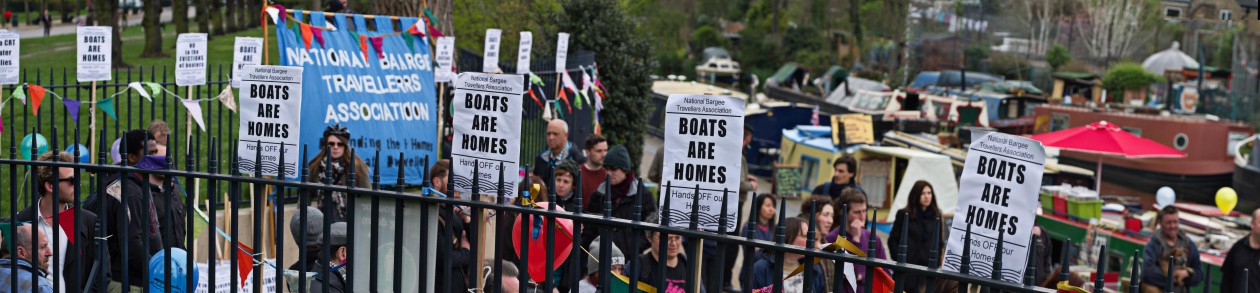
There are mixed feelings amongst the landlubbing community as to whether living on water is a good or a bad thing. As a boater, I can only see good things from my way of life, but I have been asked whetherI go to the toilet in the canal or whether I drink out of it in the same breath. The public know very little about our lifestyle and sometimes judge us for all the wrong reasons. As such I would like to explore some of the pros and cons of our communities’ impact on London’s waterways.
With increased costs for disposing of non-household waste, the canal has become a target for fly tippers. A large amount is dumped out of vans and cars. This is actively frowned upon by most boatersw who hold each other to account. Most boaters wouldn’t dream of it, but to put it in perspective, a minority do abuse it. However, there are piles of fly-tipped waste across London that are cleared regularly by the council. The towpath does not have a ‘regular’ service, so any unsightly mess can last, and gets unfairly blamed on the boating community.
Litter is upsetting to conscientious boaters, and a lot clear up the towpath that they stay on. When the Lower Lee was polluted with tonnes of oil, it was the boating community that rallied and got the polluted debris out. Not the authorities, and definitely not the culprits. There are also regular litter picks set up between the boating community and towpath community groups.
There is always work to be done on boats and piles of wood and materials should not be mistaken by the public as rubbish. Every boat is an ongoing project and completely individual. This is what makes our community so diverse and unique, and is also what keeps us afloat.
Before there were a volume of liveaboard boats on
London’s waterways, the towpaths were a no-go zone for most. There is still crime on the towpath, but anyone who has lived in London long enough knows
that having a community on the water makes the average towpath user feel safer. Desolate stretches of dark towpath afforded criminals a degree of protection, so the very presence of boats limits this.
Boats bring in a lot of revenue, and not just through our licence fee that feeds into the council boroughs we share. The boating community creates a lot of revenue through tourism and the waterside café culture that has grown in line with it. The colourful boats bring thousands of tourists to the water each year, and we are constantly photographed and tourists often ask us questions. Anyone who has been through Camden lock can testify to this! If there were no boats there would be fewer tourists. Less tourism means less waterside business and this in turn means less income for CRT and the surrounding councils so desperate to create more revenue.
Do boats harm the wildlife? The wildlife is what brought lots of us to the water in the first place. Most boaters look on themselves as interim custodians of the waterways. The towpath is our communal garden, to share with all and be respected for what it is. An absolute treasure of nature and peace hidden in an urban jungle of traffic and deadlines.
And just to clear it up once and for all, we don’t drink the water or wee in the water…
And we do not eat swans, squirrels or hedgehogs – not unless are very hungry, anyway!

 National Bargee Travellers Association - London Branch