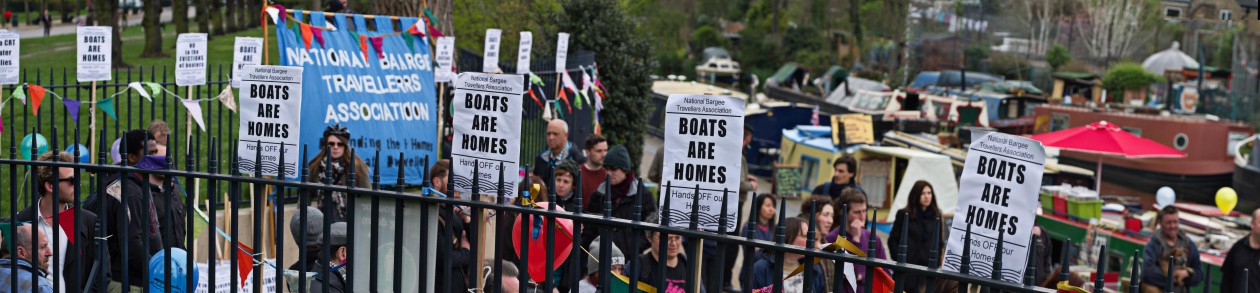
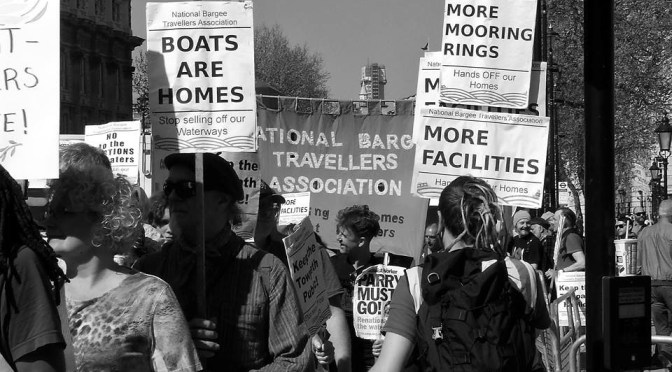
The other week CRT’s Licence Review Commission published the results of their ‘engagement survey of Canal and River Trust waterway users’, carried out between March and April of this year by independent consultants Campbell Tickell. The survey – which many respondents have reported as being ill-conceived and biased – has nevertheless returned results that will make difficult reading for CRT.
Results showed that more than 8 in 10 are frustrated with the day-to-day management of CRT waterways in the UK. Over 60% of respondents were frustrated about maintenance – including of towpaths and banks, management of water supply and a lack of investment in infrastructure – making this the biggest issue raised in the report. Despite CRT scapegoating the rise in itinerant boat dwellers, only 1 in 20 surveyed saw overcrowding on the waterways as an issue. 9 in 10 did not support legislative change, despite CRT’s recent emphasis on this possibility.
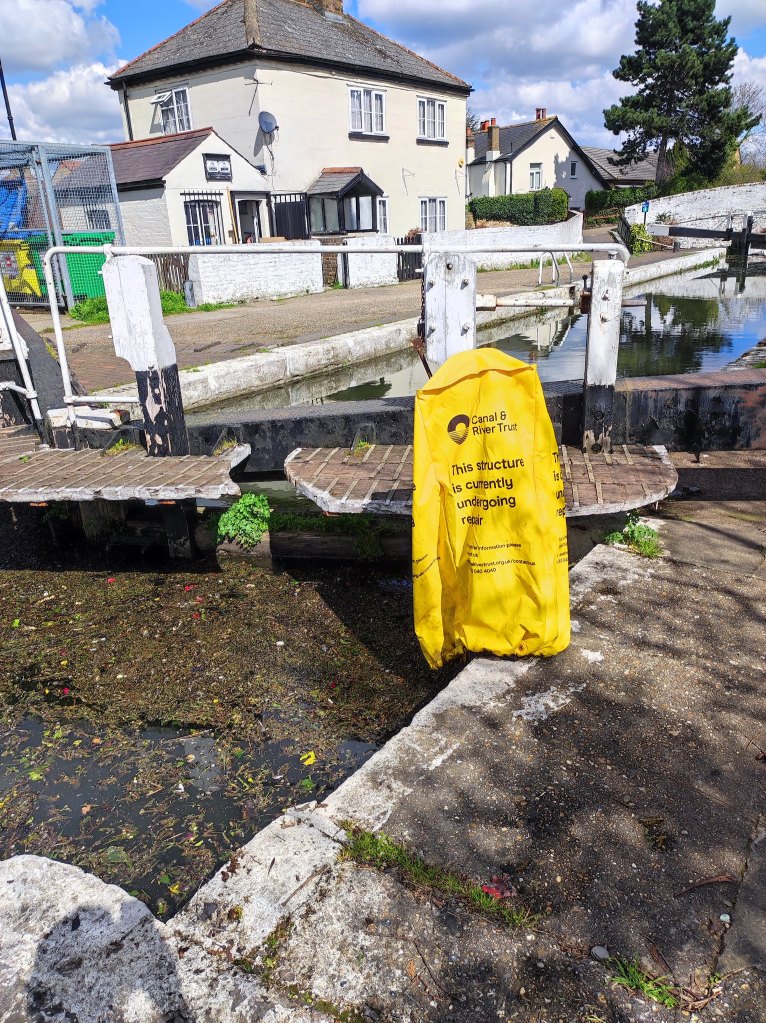
Scapegoating itinerant boaters
The survey forms part of CRT’s ongoing ‘Future of Boat Licensing Commission’ which caused outrage earlier this year when it described the itinerant boating community as an ‘operational, financial and reputational challenge’ and lamented how legislation like the Human Rights Act 1998 and Equality Act 2010 were limiting the charity’s ability to take enforcement action against boaters, which includes forcing people into homelessness via eviction proceedings.
The total amount of itinerant boats is only around 7000 across CRT waterways. Yet CRT continues to target this small community with a controversial fee surcharge, a decline in services, punitive enforcement including of families, pensioners and disabled boaters, and multiple attempts to remove historic mooring spaces altogether.
Questions about the survey data
The National Bargee Travellers Association, requested the raw data of the survey in a meeting with CRT, but to date has received nothing, shedding doubt on the Commission’s promises of “clarity” and “fairness”.
A Freedom of Information Act request has now been lodged, but CRT continues to deny the boating community its own data.
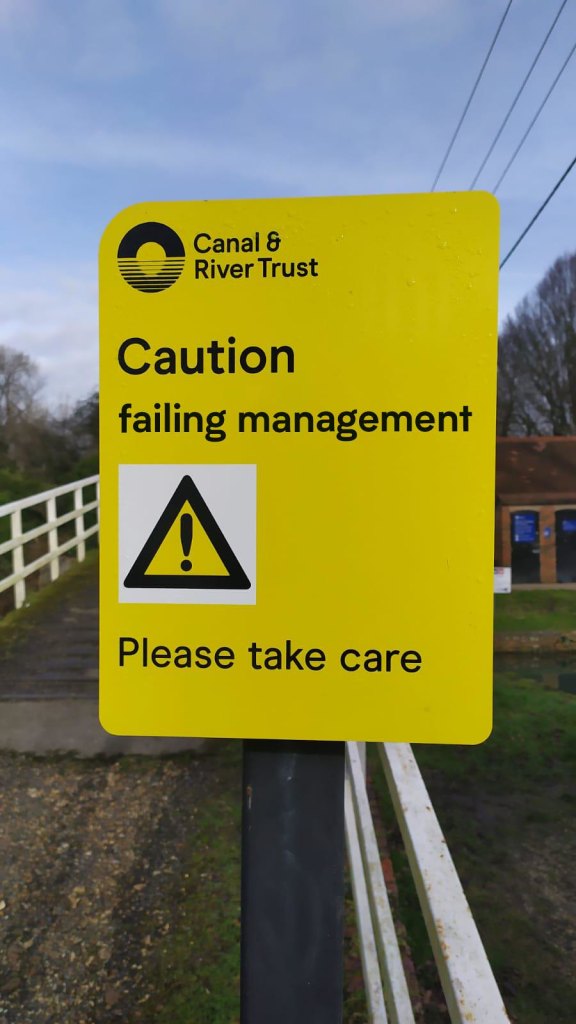
Failing on the basics
Despite CRT’s continued scapegoating of boaters, the numbers show a convincing rejection of legislative changes that could have decimated England’s boating community.
More worryingly for CRT, they also indicate a range of stakeholders’ overwhelming level of frustration with its day-to-day management of the waterways, including financial mismanagement, a decline in facilities and anger over the inflating wages of CRT executives

 National Bargee Travellers Association - London Branch