The NBTA will be 10 years old in 2019. Since its formation by a small group of Bargee Travellers facing eviction in 2009, it has been active in defending and supporting itinerant boat dwellers throughout the inland waterways. That’s 10 years of fighting the attempts of the navigation and local authorities to get rid of liveaboards and of standing up for the the rights of itinerant boat dwellers.
We are planning a programme of festivities to celebrate the successes of the NBTA over the past 10 years and to look forward. The main events will be:
The NBTA 10th Anniversary Celebration and General Meeting
The NBTA 10th Anniversary Celebration and General Meeting will be held at Middle Floor, 23-25 Wharf St, Leeds LS2 7EQ on Saturday 27th April 2019 from 11am to 11pm. Free entry, donations welcome.
The day will start with the General Meeting and Committee elections from 11am – 1pm.
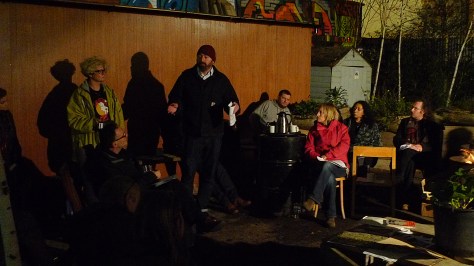
Then from 1pm to 6pm there will be speakers, workshops, films, discussions and action planning.
At 6.30pm the bar will be open and there will be live music, sounds and festivities until 11pm.
The NBTA is 10 years old this year. We invite all our members and supporters to the 10th Anniversary celebration. We hope that all our members currently in the North of England, the Midlands and beyond will join in. For members where the cost of travel would prevent you from getting to the event, the NBTA aims to make a contribution towards your travel.
Since its formation by a small group of Bargee Travellers facing eviction in 2009, the NBTA has been active in defending and supporting itinerant boat dwellers throughout the inland waterways and fighting the attempts of the navigation and local authorities to get rid of liveaboards.
If you are interested in helping to organise the celebration in Leeds please contact the NBTA – see http://www.bargee-traveller.org.uk/contacts/ or email secretariat@bargee-traveller.org.uk or phone 0118 321 4128.
If you’re on Facebook, please share the Facebook event
https://www.facebook.com/events/395874164316834
If you would like to make a donation towards the cost of the event, please
see http://www.bargee-traveller.org.uk/donate/
Paddington Party, Rally, March and Flotilla
NBTA London, as part of the 10 year anniversary of the NBTA, are organising two events which will have our message heard that we do not want anymore towpath taken and made into ‘no mooring’ sites or business moorings.
We will be bringing our boats to Paddington, a place which has seen years of towpath being given to big businesses such as multi-billion tax avoiding ‘British Land’.
March on CRT’s London Offices
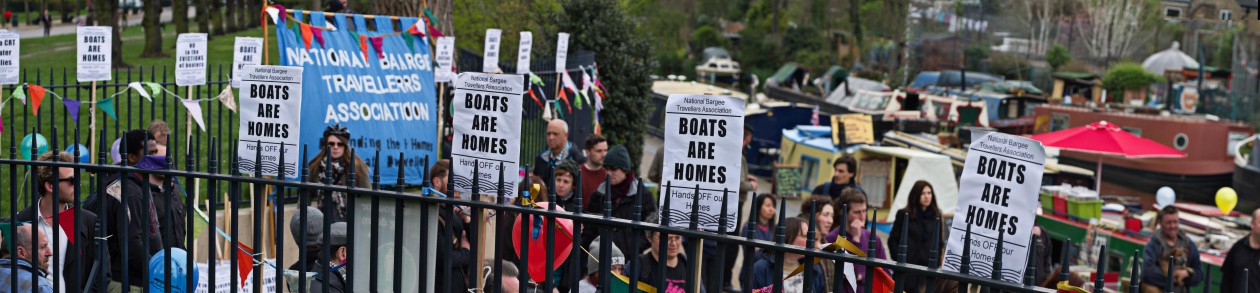
On Friday 24th of May we will meet at 1pm for music and a rally and then march to CRT offices in Little Venice for CRT to hear us, handing out leaflets to the public as we go.
Join us for a rally and march on CRT’s London HQ in Little Venice
Facebook event; https://www.facebook.com/events/286107645394190/
Paddington Party, Rally and Flotilla
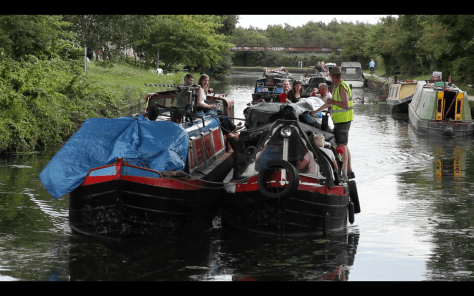
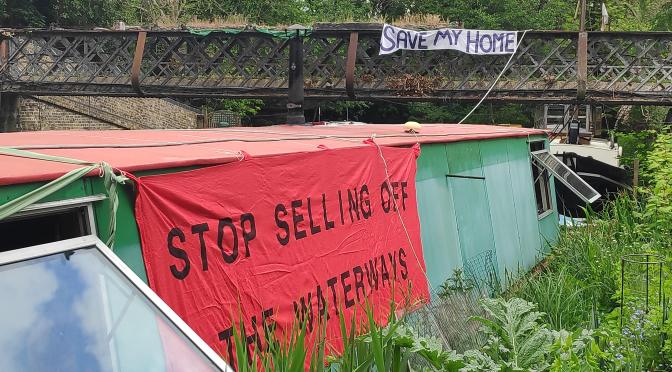
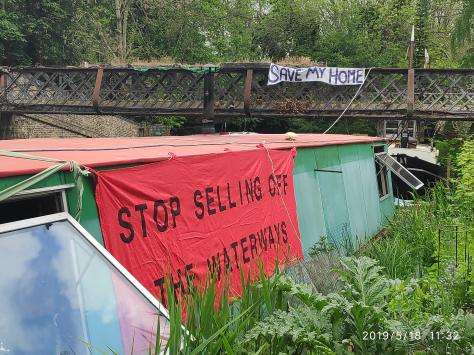
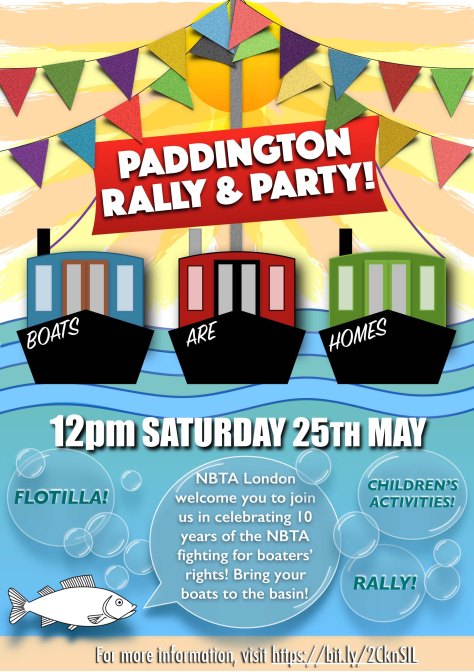
Then on Saturday 25th May starting at 12 noon we shall be holding our Paddington Party and Rally which will include activities for children as well. We shall attach banners to our boats and form a flotilla, letting the press and public know that boats are homes and we will not let the waterways be taken.
Come along, bring your boat if you can.
All are welcome to join in!
Facebook event; https://www.facebook.com/events/2308488379430881/










 National Bargee Travellers Association - London Branch